



.svg)


.svg)
What to Look for When Hiring a Pest Control Company (Before You Sign Anything)
So when you're looking to hire a pest control company, the stakes are real. A bad hire doesn't just waste your money — it can make the problem worse. Incomplete treatments can scatter bed bugs or cause rodents to find new hiding spots in your home.

Chicago has a reputation for many things. Unfortunately, pests are high on that list. According to Orkin's 2025 rankings, Chicago holds the #1 spot for bed bugs nationally — for the fifth year in a row. The city also ranked #2 for rodents. That's not a coincidence. Dense housing, aging buildings, and cold winters all create conditions where pests can take hold and spread fast.
So when you're looking to hire a pest control company in West Chicago, IL, the stakes are real. A bad hire doesn't just waste your money — it can make the problem worse. Incomplete treatments can scatter bed bugs or cause rodents to find new hiding spots in your home.
Whether you're dealing with an active infestation or just want to get ahead of a problem, knowing what to look for before you sign anything is the smartest move you can make. Here's what actually matters when you're vetting a pest control company — whether you're in Chicago or anywhere in the U.S.
If you're already dealing with an urgent pest issue, you might want to speak with a qualified exterminator in Chicago who can assess your situation before things escalate.
Is the Company Actually Licensed to Operate in Illinois?
This is the first question to ask — and a non-negotiable one. In Illinois, any company performing structural pest control must hold a Commercial Structural Pest Control Business License issued by the Illinois Department of Public Health (IDPH).
What does that require? The company must employ at least one certified technician who has passed state exams on general pest control standards and specific pest categories. Technicians renew their certification every three years. Businesses renew their licenses annually.
How to verify: You can check a company's licensing status directly through the IDPH Structural Pest Control page.
If a company can't provide a license number or proof of certification, that's a serious red flag. No license means no accountability — and no legal protection for you as a homeowner.
Do They Carry Liability Insurance?
Licensing and insurance go hand in hand. Illinois requires licensed pest control businesses to carry liability insurance, verified through a Certificate of Insurance submitted directly by the insurer to the IDPH.
Why does this matter to you? If a technician accidentally damages a wall, a pipe, or your personal property during treatment, you need to know you're covered. Without proof of insurance, any damage during service becomes your problem — not theirs.
What to ask: "Can you provide a Certificate of Insurance?" A reputable company will have it ready. Look for both general liability coverage and workers' compensation.
Do They Use an Integrated Pest Management (IPM) Approach?
You may have seen the term IPM thrown around, but it's worth understanding what it actually means — and why it's the standard the EPA recommends.
What Is IPM?
According to the U.S. Environmental Protection Agency, Integrated Pest Management is an approach that combines knowledge of pest biology with a range of methods — monitoring, habitat modification, physical exclusion, and targeted treatments. Pesticides are used only when other options aren't sufficient.
The goal is to get real results while reducing unnecessary chemical exposure in your home. IPM-focused companies generally offer services like baiting, trapping, pest exclusion, and environmental modifications — not just chemical sprays.
Why This Matters
A company that reaches straight for pesticides without inspecting your home first, or without explaining why a particular method is needed, may not be offering you the safest or most effective solution. Ask what their typical process looks like before they propose a treatment plan.
Good signs to look for:
- They conduct a thorough inspection before recommending anything
- They explain why a specific treatment method is right for your situation
- They offer non-chemical options alongside chemical ones
- They discuss prevention and habitat modification as part of the solution
Does the Company Have Experience With Chicago's Most Common Pests?
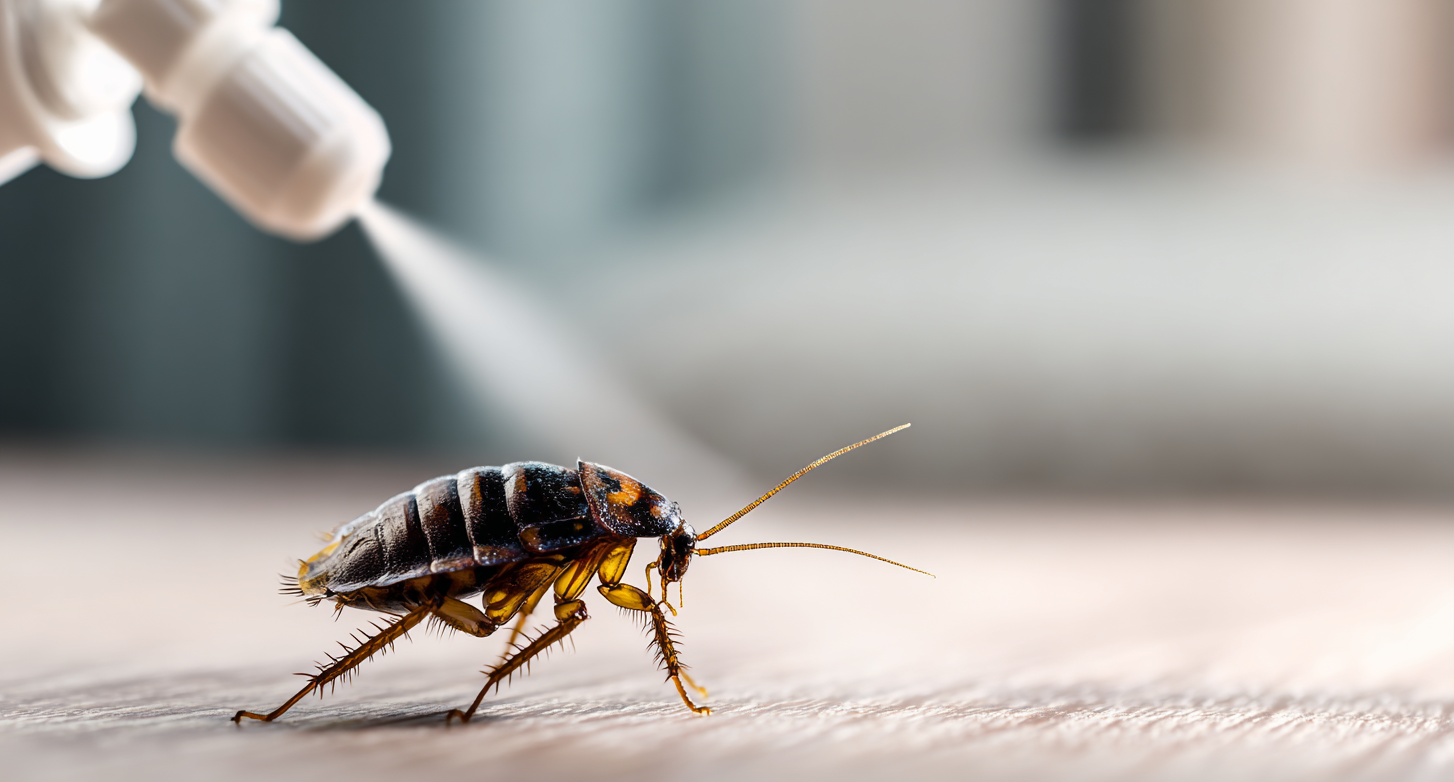
Not all pest control companies have the same level of expertise. Chicago's specific pest challenges — bed bugs, rodents, cockroaches, and seasonal issues like mosquitoes and wasps — require real hands-on experience.
Chicago has held the #1 spot for bed bugs for five consecutive years. It also ranked #2 for rodents in 2025, ending a decade-long streak at the top spot.
When you're calling companies, ask directly: how many bed bug or rodent jobs do they handle per month? Do they have technicians who specialize in these areas? A company with genuine experience in Chicago's pest landscape will be able to answer these questions confidently.
🟠 Dealing with bed bugs or rodents in Chicago? Ladybug Defense LLC offers 24/7 emergency pest and rodent control services. Contact us for a same-day inspection before the problem spreads.
What Do Their Reviews and References Actually Say?
Online reviews are a starting point, not the full picture. Before hiring, go a step further.
What the National Pest Management Association (NPMA) recommends:
- Ask for at least two to three references from past customers
- Contact those references directly to ask about their experience
- Check if the company is an NPMA member — membership signals a commitment to professional standards
- Look for consistent reviews mentioning thorough inspections, clear communication, and follow-through
A few five-star reviews don't tell the whole story. What you're looking for is a pattern. Do customers mention that the technician explained the treatment clearly? Did the pests actually go away? Was there a follow-up visit if needed?
You can find NPMA member companies through their pest professional locator.
What Does the Service Guarantee Actually Cover?
Most pest control companies offer some form of service guarantee. But guarantees vary widely, and the details matter.
Before you sign a contract, ask these specific questions:
- What exactly does the guarantee cover? Re-treatment? A refund? A follow-up inspection?
- How long does the guarantee last? Some are valid for 30 days. Others extend to 90 days or beyond.
- What do you need to do to keep the guarantee valid? Some companies void it if you've applied any pesticide yourself.
- Is the guarantee in writing? Verbal promises don't hold up when there's a dispute.
If a company is vague about their guarantee or reluctant to put it in writing, that's a signal worth paying attention to.
Are They Being Transparent About What They're Using and How?
A trustworthy pest control company has nothing to hide. The EPA specifically recommends asking these questions before any work begins:
- Can you show me the pesticide label for what you plan to use?
- What's the application method and why is it appropriate for my situation?
- Are there any precautions my family or pets need to take before, during, or after treatment?
- Can you provide client references?
If a technician can't or won't answer these questions, or rushes through the conversation to close the sale, take that as a warning sign. A qualified professional will take the time to walk you through the process clearly.
Red flags to watch for:
- High-pressure sales tactics or "limited time" discounts
- Unsubstantiated claims like "guaranteed results in 24 hours"
- No written contract or treatment plan
- Unwillingness to identify which pesticide will be used
Should You Get More Than One Quote?
Yes — especially for larger infestations or multi-unit housing situations. Getting two to three quotes helps you understand the range of options, compare treatment approaches, and spot outliers (both unusually cheap and unusually expensive bids).
The goal isn't to find the lowest price. It's to find the company that gives you a thorough inspection, a clear explanation of their plan, and honest answers to your questions. At Ladybug Defense LLC, we always provide a detailed assessment before recommending any service, because the right treatment depends on what's actually happening in your space.
Quick Reference: Pest Control Hiring Checklist
What to Check
Status
IDPH Commercial Structural Pest Control Business License
☐ Confirmed
Proof of liability insurance (Certificate of Insurance)
☐ Confirmed
IPM-based approach (inspection before treatment)
☐ Confirmed
Experience with bed bugs and rodents in Chicago
☐ Confirmed
Verifiable reviews and customer references
☐ Confirmed
Written service guarantee with clear terms
☐ Confirmed
Transparent about pesticides and methods used
☐ Confirmed
No high-pressure sales tactics
☐ Confirmed
🟠 At Ladybug Defense LLC, we're available 24/7 for emergency pest control and inspections across Chicago. Have questions before you hire? Give us a call — no pressure, no commitment.
Don't Let the Wrong Choice Cost You Twice
Hiring the wrong pest control company doesn't just leave you with a lighter wallet — it can leave you with a worsening infestation. Bed bugs that scatter during an incomplete treatment. Rodents that reroute through walls because an entry point was missed. These are real outcomes that licensed, experienced professionals work hard to prevent.
Take the time to verify credentials, ask the right questions, and read the fine print before signing. It's not about being difficult — it's about protecting your home and your family.
If you're unsure where to start, Ladybug Defense LLC provides thorough on-site assessments and transparent service plans, with 24/7 availability for urgent situations. We serve Chicago homeowners and businesses with licensed, insured pest control technicians in Chicago, IL, who take the time to get it right.
Frequently Asked Questions
Is pest control licensing required in Illinois?
Yes. Illinois requires all commercial structural pest control businesses to hold a license from the Illinois Department of Public Health (IDPH). This includes employing at least one certified technician who has passed state-approved exams. Technicians recertify every three years. You can verify any company's license status through the IDPH website.
What is IPM and why should I care?
IPM stands for Integrated Pest Management. It's an approach recommended by the U.S. EPA that prioritizes prevention, monitoring, and targeted treatments over broad pesticide use. Companies that use IPM tend to produce safer, longer-lasting results — and it means fewer unnecessary chemicals in your home.
What questions should I ask a pest control company before hiring?
Some of the most important ones: Can you show proof of licensing and insurance? What methods will you use and why? What does your service guarantee cover? Can you provide client references? Are there precautions my household needs to take before and after treatment?
Why is Chicago such a major bed bug city?
Chicago's density, high volume of multi-unit housing, and frequent travel activity all contribute to its ongoing bed bug challenge. According to Orkin's 2025 Bed Bug City Rankings, Chicago has held the #1 spot for five consecutive years, based on treatment data from May 2024 to May 2025. Professional treatment is strongly recommended — self-treatment can scatter infestations and make them harder to resolve.
What's the difference between a one-time treatment and an ongoing pest control plan?
A one-time treatment addresses an existing infestation. An ongoing plan typically includes regular inspections and preventive treatments to keep pests from returning. The right choice depends on your specific pest problem, the severity, and your home's environment. A licensed professional can help you determine which approach makes sense after an on-site assessment.
Does Ladybug Defense LLC offer emergency pest control in Chicago?
Yes. Ladybug Defense LLC provides 24/7 emergency pest control and exterminator services across Chicago. Whether you're dealing with bed bugs, rodents, roaches, or other urgent pest issues, our team is available to respond and assess your situation quickly.
How do I find a reputable pest control company near me?
Start by checking for valid IDPH licensing, proof of insurance, and verified customer reviews. You can also use the NPMA's member locator tool to find companies that meet professional industry standards. Getting two to three quotes and asking the questions outlined in this article will help you compare your options before making a decision.




.svg)








Ladybug Defense serves Chicago with reliable pest control solutions, emergency exterminator services, and professional wild animal removal. We're available 24/7 because we understand that pest problems don't keep regular business hours.