



.svg)


.svg)
Your Pest Questions, Answered.
Everything You've Wanted to Know About Pest Control in Chicago
At Ladybug Defense, we've spent years answering Chicago residents' pest control questions, and we've noticed the same important concerns come up repeatedly. This comprehensive FAQ addresses the most common questions we hear, providing honest, straightforward answers that help you make informed decisions about protecting your home or business.




Get a Quote
Simply leave your details, and we'll get back to you right away.
How much are exterminators in Chicago?

The honest answer is that pest control costs vary significantly based on what you're dealing with and how severe the problem is. Simple ant treatments for single-family homes typically range from $150-300 for the initial service. More complex situations like bed bug treatments, rodent infestations requiring exclusion work, or ongoing commercial services involve different pricing structures.
At Ladybug Defense, we provide transparent pricing that reflects several factors: property size, pest type, infestation severity, treatment methods required, and whether you need one-time service or ongoing prevention.
Most reputable Chicago pest control companies offer free inspections and estimates, allowing you to understand costs before committing. Be wary of companies offering prices that seem too good to be true – effective pest control requires proper products, trained technicians, and thorough application methods that all have real costs.
Emergency services, same-day treatments, and after-hours responses typically involve premium pricing that reflects immediate availability and prioritized scheduling. Weekend and holiday services may also cost more than standard weekday appointments.
The best approach is requesting detailed estimates from multiple companies, comparing what's included in pricing, and understanding whether quotes cover complete elimination including follow-up visits or just initial treatment.
Who is the best exterminator in Chicago?
Determining the best exterminator Chicago offers depends on your specific needs and priorities. The "best" for a restaurant requiring discrete commercial service differs from the "best" for a family seeking organic methods around young children.
When evaluating Chicago exterminators, consider several important factors:
Experience and expertise: How long has the company operated in Chicago? Do they understand local pest populations and seasonal patterns? Have they successfully handled situations similar to yours?
Treatment methods: Do they offer options that align with your safety concerns? Companies using organic/green pesticides appeal to families prioritizing environmental responsibility, while those with diverse treatment options can adapt to different situations.
Licensing and insurance: Verify proper licensing through the Illinois Department of Public Health and adequate insurance coverage protecting both customers and technicians.
Customer service: How responsive are they? Do they provide clear explanations? Are they available when you need them, including emergencies?
Guarantees and follow-up: What happens if pests return? Do they stand behind their work with service guarantees?
Ladybug Defense has built our reputation as a leading Chicago pest control provider through years of reliable service, organic/green pesticide options, comprehensive elimination approaches, and genuine care for customer concerns. However, we encourage you to research multiple providers, read reviews, and ask questions to find the best fit for your situation.
Are landlords responsible for pest control in Chicago?
The question of landlord pest control responsibility in Chicago involves both legal requirements and practical considerations. Illinois law and Chicago ordinances generally require landlords to provide habitable premises, which includes pest-free conditions at move-in and addressing pest problems that arise from property conditions rather than tenant behavior.
Landlord responsibilities typically include:
Initial pest-free conditions: Properties should be pest-free when tenants move in. Pre-existing infestations are landlord responsibilities regardless of how they developed.
Structural issues: Pest problems caused by building defects like gaps in foundations, broken windows, roof leaks, or poor construction fall to landlords. These situations involve property maintenance issues that tenants cannot reasonably address themselves.
Multi-unit infestations: When pest problems spread across multiple apartments or affect common areas, landlords bear responsibility because individual tenants cannot control these situations.
Pest-conducive property conditions: Issues like standing water, structural wood damage, inadequate trash disposal systems, or other property-related conditions attracting pests are landlord responsibilities.
Tenant responsibilities generally include:
Cleanliness standards: Pest problems caused by poor housekeeping, accumulated trash, dirty dishes, or food storage issues typically fall to tenants.
Reporting requirements: Tenants must promptly notify landlords of pest problems to allow timely intervention.
Cooperation with treatment: Tenants need to prepare units properly for pest control treatments and follow technician instructions.
The practical reality often involves cooperation between landlords and tenants regardless of who technically bears responsibility, because effective pest control requires addressing both structural issues and behavioral factors. Many leases specify pest control procedures and responsibilities, so reviewing your lease carefully provides important guidance.
If disputes arise, tenants can contact the Chicago Department of Housing for guidance on specific situations, and landlords should document pest control efforts and maintain records of tenant notifications.
What do exterminators do during pest control treatments?
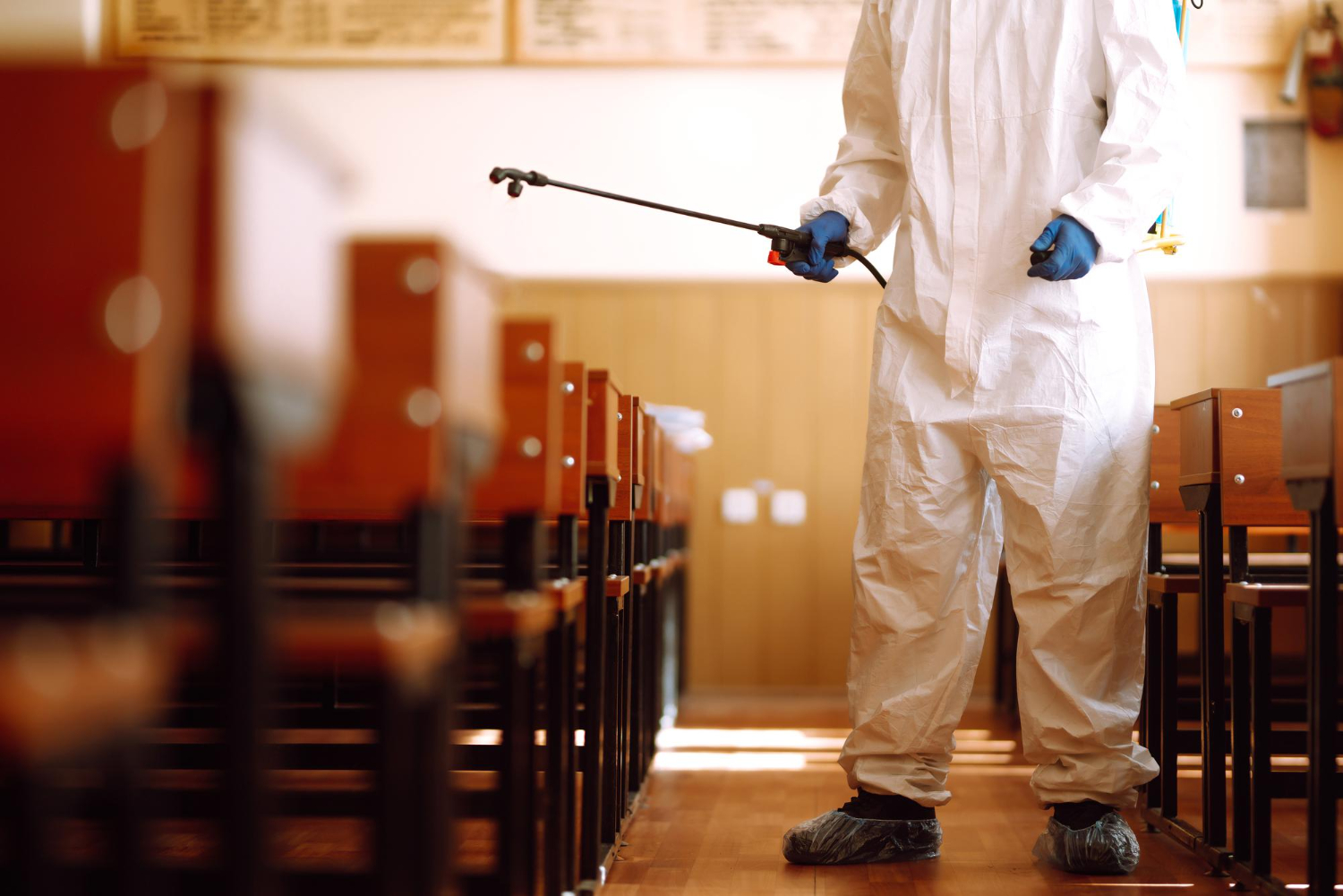
Understanding what exterminators actually do during service visits helps you prepare appropriately and know what to expect. Professional pest control involves much more than just spraying chemicals and hoping for the best.
Thorough inspection: The process begins with a comprehensive property assessment, identifying pest types, population levels, entry points, nesting areas, and conducive conditions supporting infestations. Good exterminators spend significant time inspecting before treating anything.
Treatment plan development: Based on inspection findings, professional exterminators design customized treatment strategies, addressing your specific situation rather than applying generic one-size-fits-all approaches.
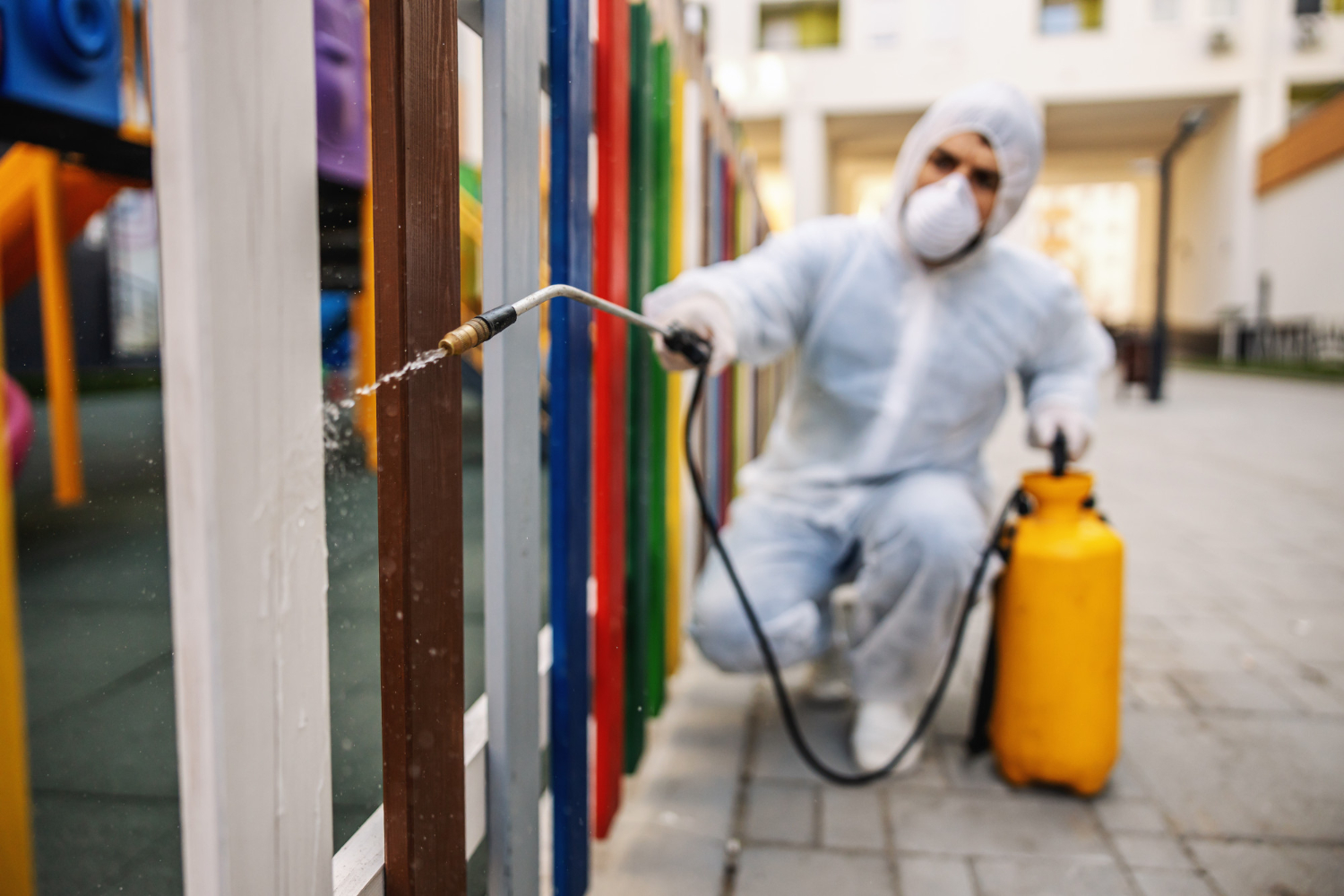
Targeted treatment application: Actual treatment involves strategic application of products in specific locations where pests travel, feed, or nest. At Ladybug Defense, we use organic/green pesticides applied in cracks, crevices, entry points, and other strategic locations rather than broad surface spraying.
Exclusion work: Many pest situations require sealing entry points, installing barriers, or modifying environments to prevent pest access. Professional service includes identifying and addressing these structural issues.
Education and recommendations: Good exterminators explain what they're finding, why pests are present, what treatments involve, and what you can do to prevent future problems. This educational component helps you maintain pest-free conditions between services.
Follow-up planning: Effective pest control often requires multiple visits. Professional exterminators schedule appropriate follow-up treatments targeting different pest life stages and verifying elimination success.
Documentation: Reputable companies provide treatment records detailing products used, application locations, and recommendations. This documentation proves valuable for health concerns, rental situations, or real estate transactions.
What exterminators don't do is equally important: they shouldn't make unrealistic promises about instant elimination, refuse to explain treatment methods, apply treatments unnecessarily, or dismiss your safety concerns about products or application methods.
How often should pest control be done for optimal protection?
The frequency question depends on multiple factors, including pest pressure in your area, property characteristics, previous pest history, and your tolerance for pest activity.
Quarterly service (every 3 months): This represents the most common recommendation for Chicago homes and businesses. Quarterly treatments address seasonal pest patterns – spring ant activity, summer mosquitoes and wasps, fall spider and rodent movement, and winter pest shelter-seeking. Most properties benefit from this frequency.
Monthly service: Properties with severe pest pressure, businesses requiring stringent pest-free standards like restaurants, or locations with recurring infestations may need monthly attention. This frequency provides maximum protection but involves higher costs.
Bi-monthly service (every 2 months): This option splits the difference between monthly and quarterly, providing more frequent attention than quarterly while costing less than monthly. Some properties find this frequency optimal.
Annual or as-needed service: Properties with minimal pest pressure, excellent preventive conditions, or owners comfortable with reactive rather than preventive approaches may opt for annual inspections or treatment only when problems arise. This approach involves lowest costs but highest risk of pest establishment between services.
Several factors influence optimal frequency:
Property location: Urban properties often face higher pest pressure than suburban or rural locations. Properties near water, parks, restaurants, or other pest-attractive features may need more frequent service.
Building characteristics: Older buildings with more entry points, properties with basements or crawl spaces, or structures with conducive conditions may require more frequent attention than newer, well-sealed properties.
Surrounding environment: What neighbors do affects your pest pressure. Multi-unit buildings often need more frequent service because pests move between units.
Seasonal patterns: Some properties need intensive summer service for mosquitoes and wasps but minimal winter attention, while others face year-round challenges.
The best approach involves discussing your specific situation with pest control professionals who can assess your property, understand your concerns, and recommend appropriate frequency balancing protection needs with budget considerations.
Why should you trust Ladybug Defense?
We've earned Chicago's trust through years of reliable service, transparent communication, and genuine results. As a woman and minority-owned business, we bring fresh perspectives to pest control, prioritizing organic/green pesticides and integrated pest management approaches that protect both families and the environment.
Our credibility comes from thousands of successful pest eliminations across diverse Chicago properties, comprehensive licensing and insurance, ongoing technician training in latest methods, and commitment to explaining what we're doing and why. We provide honest assessments even when that means recommending less expensive approaches than you initially considered.
We stand behind our work with service guarantees, respond to customer concerns promptly, and maintain transparency about costs, methods, and expected outcomes. Our reputation depends on solving pest problems effectively while treating customers with respect and properties with care.


Have questions? We have answers.
Every property and pest situation is unique. While this FAQ addresses common questions, you likely have specific concerns about your situation, so we’d love to discuss your pest control needs, give honest answers about costs and methods, and develop solutions that work for your property and priorities.
.svg)
Get a Quote
Simply leave your details, and we'll get back to you right away.



Ladybug Defense serves Chicago with reliable pest control solutions, emergency exterminator services, and professional wild animal removal. We're available 24/7 because we understand that pest problems don't keep regular business hours.