



.svg)


.svg)
5 Factors That Determine How Long a Pest Control Treatment Lasts in Chicago
You had a pest control treatment done. A few weeks later, you're spotting roaches again near the kitchen sink. Sound familiar?
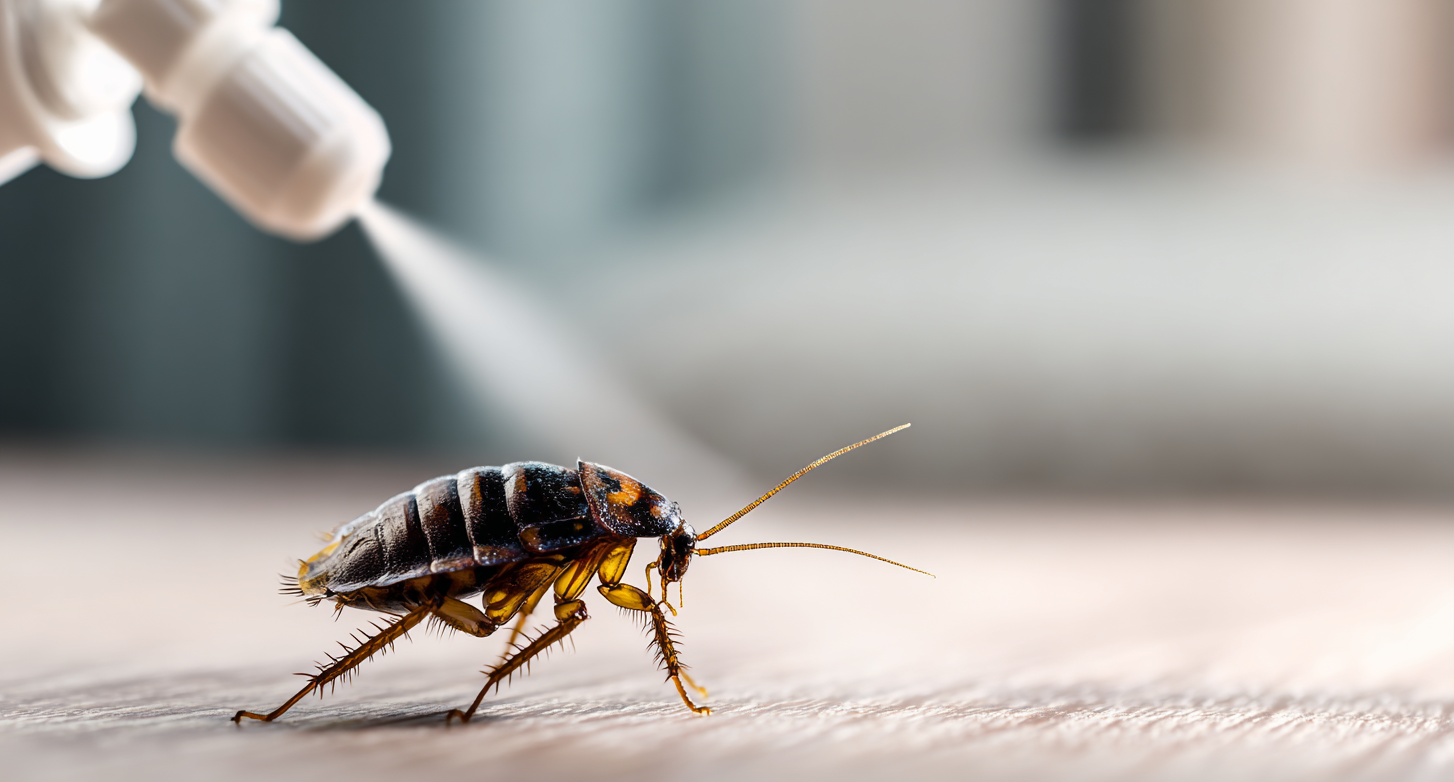
You had a pest control treatment done. A few weeks later, you're spotting roaches again near the kitchen sink. Sound familiar?
This is one of the most common frustrations we hear at Ladybug Defense LLC. And honestly, it's not always a sign that something went wrong. It usually means the treatment was just one piece of a bigger puzzle. The truth is, how long pest control lasts depends on a handful of key factors, and in a city like Chicago, those factors hit differently than they might in, say, Phoenix or Miami.
If you've ever wondered why your treatment wore off faster than expected, or what you can do to make results stick longer, this breakdown is for you. Curious about what professional pest control in Chicago actually involves? That's a good place to start.
Let's get into it.
What Actually Determines How Long Pest Control Lasts?
No two infestations are the same, and no two homes are the same either. A standard residual spray or barrier treatment typically lasts anywhere from 30 to 90 days under normal conditions. Some products and methods can stretch that to 3 to 6 months, depending on the situation.
But here's the thing: there's no universal timeline. As one recent industry analysis put it, "Pest control treatment longevity varies based on pest type, weather, infestation severity, and property conditions — no universal timeline exists." (DeWebb Pest Control, 2025–2026 industry consensus).
That aligns with everything we see on the ground here at Ladybug Defense LLC. Below are the five factors that consistently shape how long your results will hold.
1. The Type of Pest and Its Life Cycle
Not all pests respond to treatment the same way, and that's where a lot of people get tripped up.
Different pests have different life cycles, and those cycles directly affect how long a treatment stays effective.
- Roaches and ants: Sprays and baits target active colonies, but eggs can hatch weeks after a treatment. That's why follow-ups matter. German roaches, which are especially common in Chicago apartments during hot, humid summers, are particularly persistent.
- Rodents: Trapping can reduce numbers quickly. But long-term results depend on exclusion work, which means sealing gaps as small as a dime. Without that, more rodents will find their way in.
- Bed bugs: This is one of the more involved ones. The Illinois Department of Public Health states that bed bug eradication "often takes weeks or months," with follow-up visits typically needed every two weeks until there's no evidence for two consecutive months. In Chicago's multi-unit buildings, where pests can travel through shared walls, this process takes even longer.
- Mosquitoes and wasps: Barrier or nest treatments work fast on active colonies, but new ones can form. Seasonal monitoring keeps this in check.
What to watch for: Seeing increased pest activity 1 to 2 weeks after a treatment is actually normal. Pests get flushed out of their hiding spots. It doesn't mean the treatment failed.
2. How Bad the Infestation Was to Begin With
The worse the infestation, the more work it takes to get ahead of it, and the longer it takes to hold.
A light infestation caught early can often stabilize after just a couple of visits. A heavy one, with visible trails, multiple nesting sites, and pests showing up throughout the day, usually requires:
- More frequent initial visits (sometimes every two weeks until activity is controlled)
- A longer period before shifting to a maintenance schedule
- Deeper treatment of harborage areas
Chicago's older housing stock makes this especially relevant. Many buildings here have tight wall cavities, aging plumbing, and enough gaps to keep a roach colony very comfortable. If you're in a high-density area or a multi-unit building, an infestation can grow faster because there are more entry points and more neighboring units that could be contributing to the problem.
The faster an infestation is caught and treated, the faster you'll see lasting results.
3. Chicago's Seasons and Weather
This one is huge, and it's specific to living here.
Chicago's climate swings hard. Brutal winters, humid summers, and those in-between seasons where the weather can't make up its mind. Each shift in weather brings a different wave of pest activity, and those shifts also affect how long treatments hold.
Here's how the seasons break down for pest pressure in Chicago:
Chicago Pest Pressure by Season
Fall / Winter — Rodents move indoors Cold temperatures drive mice and rats to seek shelter inside. Exclusion and monitoring are essential during these months.
Spring — Ants & termites become active As soil warms, ant and termite colonies reactivate. This is the most important window for preventive soil treatments.
Summer — Roaches & mosquitoes peak Heat and humidity push activity to its highest point. Note that humidity also degrades spray treatments faster, so more frequent application may be needed.
Year-round — Bed bugs (no off-season) Unlike other pests, bed bugs are not seasonal. Consistent monitoring is needed regardless of time of year.
Rain, humidity, and temperature extremes physically break down residual sprays faster. That's an industry-wide reality, not just a Chicago problem, but Chicago's climate makes it more pronounced.
A recent Chicago-specific analysis from A-1 Pest Masters (December 2025) put it directly: "Chicago's fast-shifting weather and seasons directly influence pest activity and treatment efficacy."
This is why quarterly service aligned with seasonal cycles is the standard recommendation for urban homes. Recurring plans "usually maintain longer-lasting protection," especially when timed with seasonal transitions. (DeWebb Pest Control, 2025–2026).
It's also worth noting: Illinois Department of Agriculture regulations prohibit residential mosquito barrier applications between October 16 and April 14 (except in public-health emergencies declared by the local government). That means during colder months, environmental controls and exclusion do the heavy lifting.
4. The Treatment Method Used
A spray on the baseboards and a full integrated plan are not the same thing.
Different methods have different staying power, and the right choice depends on what you're dealing with:
- Liquid sprays and barrier treatments: Generally last 30 to 90 days. Good for surface-level control but limited against harborage areas.
- Baiting and trapping: Works at the colony level. Pests carry the bait back to the nest, which creates a longer-lasting knockdown effect than surface sprays alone.
- Pest exclusion: Sealing entry points removes the source of the problem entirely. No product has to do the work if pests can't get in.
- Deep cleaning and environmental controls: Removing food sources, moisture, and clutter takes away what pests are there for. This extends results beyond what any chemical treatment can do on its own.
- Integrated plans: Combining multiple methods aligned with pest life cycles and seasons consistently outperforms one-time applications. This is the approach Ladybug Defense LLC uses, because a single visit rarely solves what's actually driving the problem.
Bottom line: A one-time spray might give you a 30 to 90 day window. A plan that combines treatment methods with exclusion and environmental work can stretch that to year-round protection.
5. Your Property's Condition and Ongoing Maintenance
This is the factor most homeowners can actually influence.
Even the best treatment will wear off faster if the conditions that invited pests in the first place haven't changed. Here's what shortens the lifespan of any pest control services in West Chicago, IL.
- Gaps around doors, pipes, and vents
- Moisture buildup in basements and under sinks
- Dense landscaping against the foundation
- Clutter in storage areas (perfect rodent nesting ground)
- Food left uncovered or crumbs in hard-to-reach areas
In Chicago specifically, older buildings come with their own set of structural vulnerabilities. As A-1 Pest Masters noted in their December 2025 analysis, "Structural vulnerabilities worsen with seasonal changes, reducing treatment longevity if not addressed."
The good news is that sanitation and exclusion are two of the strongest predictors of long-lasting results. Fixing the entry points and removing attractants does more for treatment longevity than almost anything else.
If you're dealing with recurring pest problems and feel like nothing is sticking, the issue is often the conditions in or around the property, not the treatment itself. Connecting with a licensed pest control provider in Chicago for a property walkthrough can help identify what's working against you. You can explore our full range of pest management services to see what a complete approach looks like.
What Shortens Pest Control Results
Factors That Affect Treatment Longevity
Pest type Egg cycles, colony size, and multi-unit spread all influence how long a single treatment holds. Some pests require follow-up timed to their breeding cycles.
Infestation severity Heavier infestations typically need more visits upfront before a maintenance schedule can take over.
Chicago weather Humidity, rain, and temperature extremes break down spray treatments faster than in milder climates — meaning reapplication windows are shorter here than elsewhere.
Treatment method A single spray wears off sooner than an integrated pest management plan, which combines multiple methods for longer-lasting results.
Property conditions Gaps in walls, excess moisture, clutter, and poor sanitation give pests places to shelter and breed, reducing how long any treatment stays effective.
What Should You Realistically Expect?
Here's the honest take from Ladybug Defense LLC, based on what we see across Chicago properties:
- One-time treatments rarely hold beyond 90 days in Chicago's climate and urban environment.
- Quarterly recurring service is the industry standard for sustained protection in cities like Chicago.
- Bed bug cases in apartments typically require a series of treatments over 2 or more months before being fully resolved, per the Illinois Department of Public Health.
- Chicago landlords in rental or multi-unit buildings are legally required to arrange professional pest management within 10 days of a suspected bed bug infestation and must maintain records for 3 years. Treatments must continue "until such time that no evidence of bed bugs can be found and verified." (Chicago Department of Public Health).
Every home and every infestation is different. If you're unsure what kind of plan fits your situation, the best step is to talk to a licensed pest control professional who knows Chicago's specific conditions.
Is It Time to Stop Guessing and Start Getting Lasting Results?
At Ladybug Defense LLC, we're Chicago locals who take a different approach to pest control. No hazmat suit theatrics. No unnecessary chemicals. Just practical, environmentally mindful treatment that actually addresses the root of the problem.
Whether you're dealing with a recurring roach problem, rodents creeping in every winter, or a bed bug situation in a multi-unit building, we can help you figure out what's actually driving the problem and what a realistic plan looks like.
Reach out to Ladybug Defense LLC today for a property assessment. We offer 24/7 emergency pest control services across Chicago, because pest problems don't wait for business hours.
Frequently Asked Questions
How long does pest control last in Chicago? It depends on several factors including pest type, infestation severity, weather, and the treatment method used. Standard residual treatments typically last 30 to 90 days. In Chicago's climate, quarterly service combined with exclusion work is usually needed for consistent, year-round protection.
Why do I still see pests after a treatment? Increased activity in the first 1 to 2 weeks after treatment is normal. Pests are being flushed out of hiding spots. If activity continues beyond that window, it may indicate eggs hatching, ongoing entry points, or conditions that need to be addressed.
How many visits does it take to get rid of bed bugs in a Chicago apartment? According to the Illinois Department of Public Health, bed bug eradication often takes weeks or months. Follow-up visits are typically scheduled every two weeks until there are no signs of activity for two consecutive months. Chicago's multi-unit buildings can complicate this due to shared walls.
Does Chicago weather affect how long pest control lasts? Yes. Rain, humidity, and temperature swings all degrade residual sprays faster. Chicago's seasonal extremes, particularly hot, humid summers and cold winters, create new waves of pest pressure throughout the year. This is why seasonal service plans are recommended.
How often should I get pest control in Chicago? For most homes in Chicago, quarterly service (every 3 months) is the standard recommendation from pest control professionals. Homes with recurring or severe infestations may benefit from more frequent visits at first, then moving to a maintenance schedule.
Are landlords in Chicago required to handle pest control? Yes. Under the Chicago Department of Public Health ordinance, landlords in rental and multi-unit buildings are required to arrange professional pest management within 10 days of a suspected bed bug infestation and must keep records for 3 years. Treatment must continue until no evidence of bed bugs is found.
What's the difference between a one-time treatment and a recurring plan? A one-time treatment targets active pests but doesn't account for egg cycles, new entries, or seasonal changes. A recurring plan adjusts to those variables over time, which is why it consistently delivers longer-lasting results in urban environments like Chicago.




.svg)







Ladybug Defense serves Chicago with reliable pest control solutions, emergency exterminator services, and professional wild animal removal. We're available 24/7 because we understand that pest problems don't keep regular business hours.